

- Beds
- Center Tables
- Chairs
- Consoles
- Corner Sofas
- Dinings
- Sofas
- Window Stools-Ottomans
- Writing Tables
- Bookshelves
- Coffee/End Tables
- Decor Planters
- Nest of Tables
- Aesthetic Mirror
- Window Stools-Ottomans-2
- Decoratives
- Horse-LMP
- Lion Wall Hanging
- Photo Frame – 8341
- Photo Frame-8319
- Photo Frame-8321
- Photo Frame-8324
- Photo Frame-8333
- Photo Frame-8336
- Rayzin BR’ Horse-Black
- Silver Vase
- Tower Statue – White & Black (8229 Collection)
- Tower Statue – White & Black (8229 Collection) – Black
- Tower Statue White-8229
- Tray Black-7611
- Vase Black -2011
- Vase Black-5950
- Vase Eye
- Vase Eye
- Vase Globe
- Book End-8939
- Book End-8943
- Book End-8949
- Bottle Vase Black-7694
- Candle Holder -7607
- Candle Holder-7608
- Candle Stand- 7610
- Decor Statue 45
- Eagle Face
- Elegant Decorative Vase – Gray & Black (2011 Collection)
- Golden Vase
- Vase Gray -2011
- Vase White-5950
- Vase Small-7696
- Vase-5952
- Vase-7645
- Vase-7646
- Wing Décor Rayzin 25
Minimalist Furniture Design Ideas That Instantly Make Your Home Look Premium

What is minimalist furniture design and why is it so popular?
Minimalist furniture design is a modern interior approach that focuses on simplicity, functionality, and visual clarity. It removes unnecessary decoration and keeps only essential, well-designed pieces that serve a purpose while maintaining aesthetic balance. This style has gained massive popularity because modern living spaces are becoming smaller, especially in urban areas. People now prefer clean, open environments instead of heavy and cluttered interiors.
The idea behind minimalism is not to live with less comfort but to create more impact with fewer elements. This is especially true in Minimalist Furniture Design Ideas. Interior designers around the world, including those featured on platforms like Architectural Digest and Houzz, consistently highlight minimalist design as one of the most sustainable and visually calming approaches to home styling. It improves space perception and gives a structured, premium feel even in small homes.
How does minimalist furniture instantly make a home look premium?
Minimalist furniture instantly makes a home look premium because it creates visual order and removes distractions from the space. When a room is free from unnecessary clutter, the human eye naturally focuses on quality elements such as textures, materials, and lighting, which enhances the overall perception of luxury.
Premium design is no longer defined by excess decoration but by balance, proportion, and space utilization. This is why luxury hotels and modern apartments often use minimalist interiors. Clean layouts, neutral colors, and carefully chosen furniture pieces create a refined atmosphere that feels expensive without being overloaded. Psychological studies in environmental design also show that organized spaces increase comfort and reduce mental stress, which is another reason minimalist interiors feel more high-end.
What are the core principles behind minimalist furniture design?
The foundation of minimalist furniture design lies in simplicity and intentionality. Every element in the space must have a clear purpose, whether functional or visual. Instead of filling a room with multiple items, the focus is on selecting fewer but higher-quality pieces that enhance the overall structure of the space.
Minimalist interiors also rely heavily on clean geometry and balanced proportions. Straight lines, smooth surfaces, and simple forms dominate the design language. This creates a sense of order and harmony that is visually appealing and timeless. Neutral color palettes such as white, beige, grey, and soft earthy tones are commonly used because they allow light to reflect better and make spaces appear larger and more open.
Another important principle is the use of empty space as an active design element. In minimalist interiors, space is not considered wasted but rather an essential part of the composition that improves flow and breathing room within the environment.
How can minimalist furniture transform a living room into a premium space?
A living room is often the most important area of a home. Minimalist furniture can completely transform its appearance by making it look more spacious, organized, and modern. Instead of overcrowding the space with multiple bulky items, the focus is placed on a few well-designed furniture pieces that define the room’s character.
A simple sofa with clean lines often becomes the central element of the living room in Minimalist Furniture Design Ideas, paired with a functional coffee table that maintains visual balance. Wall-mounted storage or floating shelves are commonly used to reduce floor clutter and create a more open layout. This approach allows the room to breathe and gives it a sophisticated hotel-like appearance.
Lighting also plays a crucial role in this transformation. Natural light enhances the openness of minimalist interiors, while soft artificial lighting adds warmth and depth. Together, these elements create a premium environment that feels both modern and comfortable.
Why does minimalist bedroom design improve comfort and lifestyle quality?
Minimalist bedroom design improves comfort because it reduces visual noise and creates a calm, distraction-free environment. Bedrooms are meant for rest, and excessive furniture or decoration can interfere with relaxation and sleep quality.
In a minimalist bedroom, only essential furniture is used, such as a simple bed frame, compact side tables, and integrated storage solutions. This helps maintain a clean layout that supports better movement and airflow within the room. Interior design research has shown that clutter-free sleeping environments contribute to improved sleep quality and reduced stress levels.
Neutral colors and soft textures further enhance the calming effect, especially in Minimalist Furniture Design Ideas. Instead of heavy décor, minimal wall art or subtle lighting is used to maintain visual simplicity. The result is a bedroom that feels peaceful, balanced, and naturally premium without any unnecessary effort.
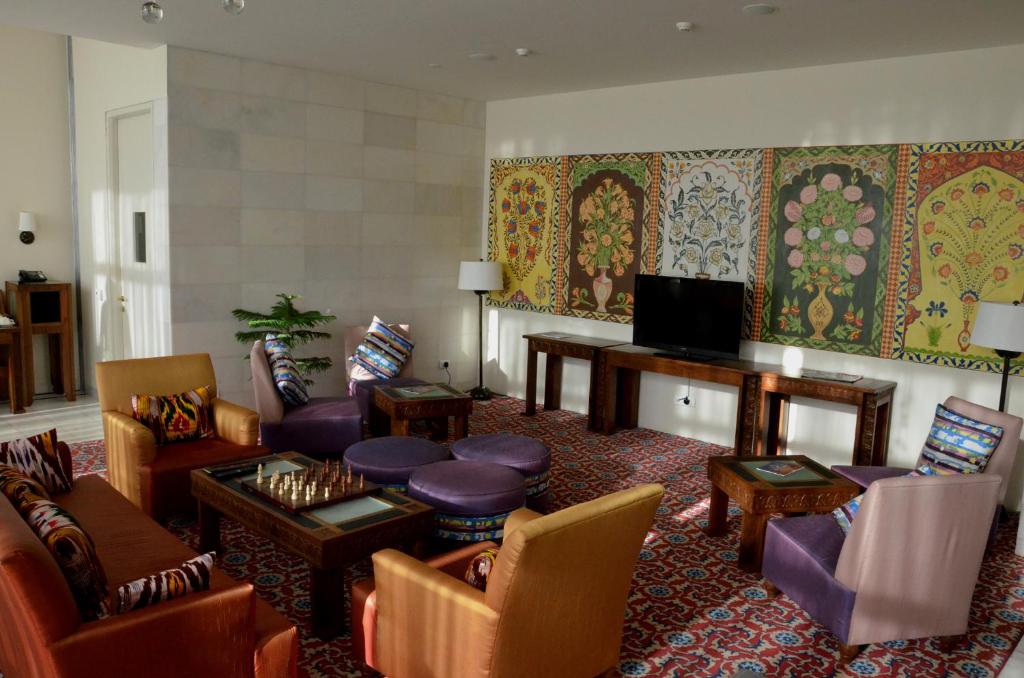
Which materials and colors work best for minimalist furniture?
Material and color selection plays a major role in achieving a successful minimalist interior. Natural materials such as solid wood, glass, matte metal, and stone are widely preferred because they offer durability and a timeless aesthetic. These materials age well and maintain their visual appeal over time, which is important in minimalist design where long-term consistency matters.
Color choices are usually neutral and soft because they support the idea of calmness and openness. White, beige, grey, and muted earth tones are commonly used to create a unified and balanced look. These colors also help reflect natural light, making interiors feel brighter and more spacious.
Design experts often recommend maintaining a balanced ratio of neutral base tones with subtle accent colors to avoid monotony while still preserving minimalism. This ensures that the space remains visually interesting without losing its simplicity.
What mistakes should be avoided in minimalist furniture design?
One of the most common mistakes in minimalist design is removing too much furniture, which results in an empty and uncomfortable space rather than a well-designed one. Minimalism is about balance, not absence. Every space still needs functional and comfortable elements to remain practical.
Another frequent issue is poor lighting choices. Without proper lighting, even the best minimalist design can feel dull and unfinished. Natural light should always be maximized, and artificial lighting should be soft and strategically placed.
Using low-quality furniture is another mistake because minimalist design highlights every detail clearly. Cheap materials become more noticeable in simple layouts. Overusing a single color, especially white, can also make a space feel cold if not balanced properly with textures and warmth.
Are minimalist furniture trends still relevant in 2026?
Minimalist furniture trends are not only relevant in 2026 but are actually becoming stronger due to urban lifestyle changes and smaller living spaces. Modern consumers prefer functional and space-efficient designs that fit into compact homes and apartments.
Current trends include modular furniture systems, multi-purpose designs, and sustainable materials that support eco-friendly living. Smart furniture integration is also becoming more common, especially in urban markets where technology and design are merging.
Global furniture brands and interior design platforms continue to promote minimalism because it aligns with modern lifestyle needs, making it one of the most stable and long-term design movements in the industry.
Final insight on minimalist furniture design ideas
Minimalist furniture design is not about reducing comfort or style but about improving how a space feels and functions. When applied correctly, it transforms ordinary homes into structured, elegant, and premium-looking environments without relying on excessive decoration or high budgets.
The real strength of minimalism lies in clarity, balance, and intention, where every element serves a purpose and contributes to the overall harmony of the space.